
Free Flooring Invoice Template
Flooring professionals rely on clear invoice templates to bill clients fast and without confusion. A structured flooring invoice supports accurate billing and steady cash flow. It helps flooring installation work appear organized and professional from start to finish. With instant PDF download and no extra tools, a ready template keeps billing simple and consistent.
Free Flooring Invoice Generator for Fast and Easy Billing
Word, Excel, and Google Sheet invoice templates slow you down. Create clean Flooring invoices in seconds with our free invoice generator. Customize and download Flooring PDF invoices without any hassle.
Invoice Generator
Create professional invoices in minutes. Download as PDF.
Invoice Preview
Billed To
From
| Description | Unit cost | QTY | Amount |
|---|---|---|---|
| Add items to see preview | |||
What should be included in your flooring invoice template?
A flooring invoice template must show who provided the service and who received it. Business details should list the flooring company name, address, phone number, and email. These details tell the client who completed the flooring installation and who issued the bill. Client details must include the customer name, billing address, and project location to prevent delivery errors.
Each flooring invoice needs a unique invoice number and a clear invoice date. These records help track payments, warranties, and service history over time. Itemized services play a central role in flooring installation invoices. Flooring projects often include several tasks that require clear descriptions.
The invoice should describe services such as subfloor preparation, hardwood flooring installation, old floor removal, sanding, or finishing work. Labor or service charges should match the agreed scope of work and pricing. Materials or tools should appear as separate entries when relevant. Hardwood flooring invoices often include planks, adhesives, underlayment, trims, and finishes.
Taxes must appear on their own line based on local rules. The invoice should display the total amount due in a clear format. Payment terms and accepted payment methods should appear near the total so clients know how and when to pay.

Why should flooring professionals send great invoices?
Great invoices help flooring professionals earn client trust. Clear billing shows attention to detail and careful planning. Clients often link invoice quality with the quality of flooring installation work.
Accurate service descriptions reflect professional standards in hardwood flooring projects. Clear invoices reduce billing disputes by showing exact charges and services. Clients can review costs without confusion or follow up questions. When billing feels fair and transparent, clients return for future flooring work and share referrals with others.
Why should I use a flooring invoice template?
A flooring invoice template helps professionals stay organized across many jobs. Consistent formatting supports clean records and simple tracking. Templates reduce the risk of missing key details on flooring installation invoices.
Invoices record services, time, materials, and costs tied to each flooring project. Hardwood flooring jobs benefit from clear material tracking since prices vary by grade and finish. Structured invoices support faster payments through clear totals and payment instructions. Clear billing reduces delays and limits payment questions.
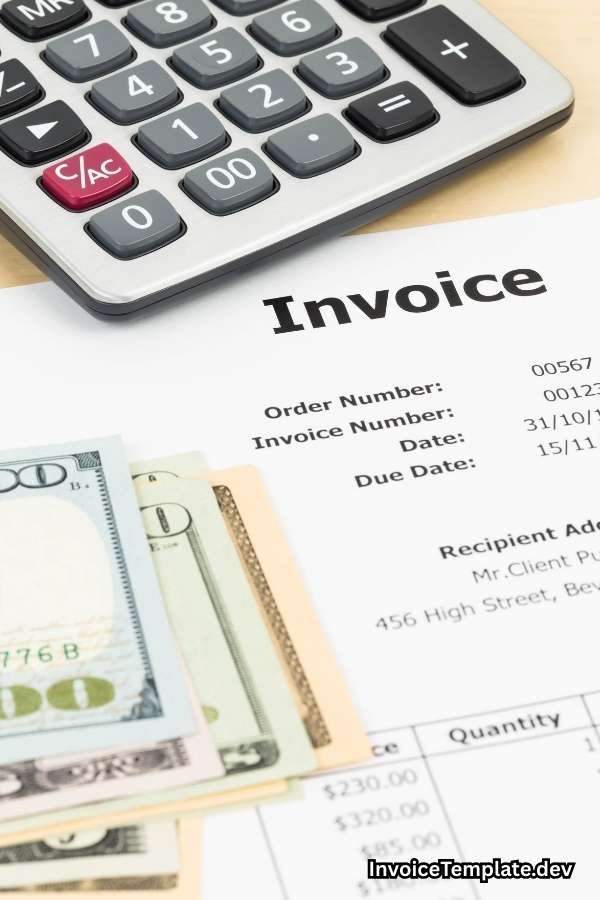
How to fill out your flooring invoice?
A flooring invoice becomes easy to complete with a clear template. Each section guides you through required details and supports accurate billing.
- Company details: Enter your flooring business name, address, phone number, and email. These details identify the service provider and payment recipient.
- Customer details: List the client name, billing address, and project address. Flooring installation work often takes place at a different location than billing.
- Invoice number: Assign a unique invoice number to each flooring job. This number supports payment tracking and record keeping.
- Dates: Add the invoice date and the payment due date. These dates set clear expectations for payment timing.
- Line items: Describe each service provided. Include flooring installation tasks such as hardwood flooring installation, floor removal, sanding, or finishing. Add quantities, hours, or square footage as needed.
- Subtotal: Show the total cost of all line items before tax and discounts. This amount reflects the base flooring charges.
- Discount: Apply any agreed discount and show it clearly. Discounts may relate to promotions or bundled services.
- Tax: Add applicable taxes based on local rules. Flooring labor and materials may follow different tax rates.
- Shipping, travel, or delivery fees if relevant: Include delivery charges for flooring materials or travel fees for distant job sites.
- Total: Display the final amount due after all adjustments. This figure should stand out on the invoice.
- Payment terms: State the payment deadline and accepted payment methods. Clear terms support faster payments.
Who needs a flooring invoice template?
Independent flooring contractors use invoice templates to bill homeowners for flooring installation work. Clear invoices support steady income and professional records.
Flooring installation companies rely on templates to manage multiple jobs at once. Consistent invoices simplify billing for hardwood flooring and related services.
Commercial flooring teams need detailed invoices for offices, retail spaces, and large properties. Itemized billing supports internal approvals and accounting.
Renovation and remodeling businesses use flooring invoices when flooring forms part of a larger project. Separate invoices help track flooring costs with accuracy.

What is a flooring invoice?
A flooring invoice is a billing document that records flooring installation services and charges. It lists labor, materials, taxes, and totals. It serves as proof of payment and supports record keeping and compliance.
Should a flooring professional send an itemized invoice?
Yes. Itemized invoices build trust and clarify hardwood flooring costs. They support approvals and create clear service records.
Is it legal to make your own invoice?
Yes, creating your own invoice is legal. The invoice must remain accurate, properly numbered, and stored for records.
How to make a custom invoice?
You can create a custom invoice using common tools or a flooring invoice template. Enter your details, list services, and export the file as a PDF.