What Is an Invoice Number? An Accountant’s Guide for Freelancers and Small Businesses
As an Accountant, I see billing errors every day. Many problems start with poor invoice numbering. An invoice number is a unique number given to each invoice you issue. It helps you track payments, keep records clean, and follow tax rules.
At first, an invoice number looks basic. In real business work, it controls billing orders, audits, and cash flow. This guide explains invoice numbers in simple terms. It also explains order numbers and bill numbers clearly.
What Is an Invoice Number?
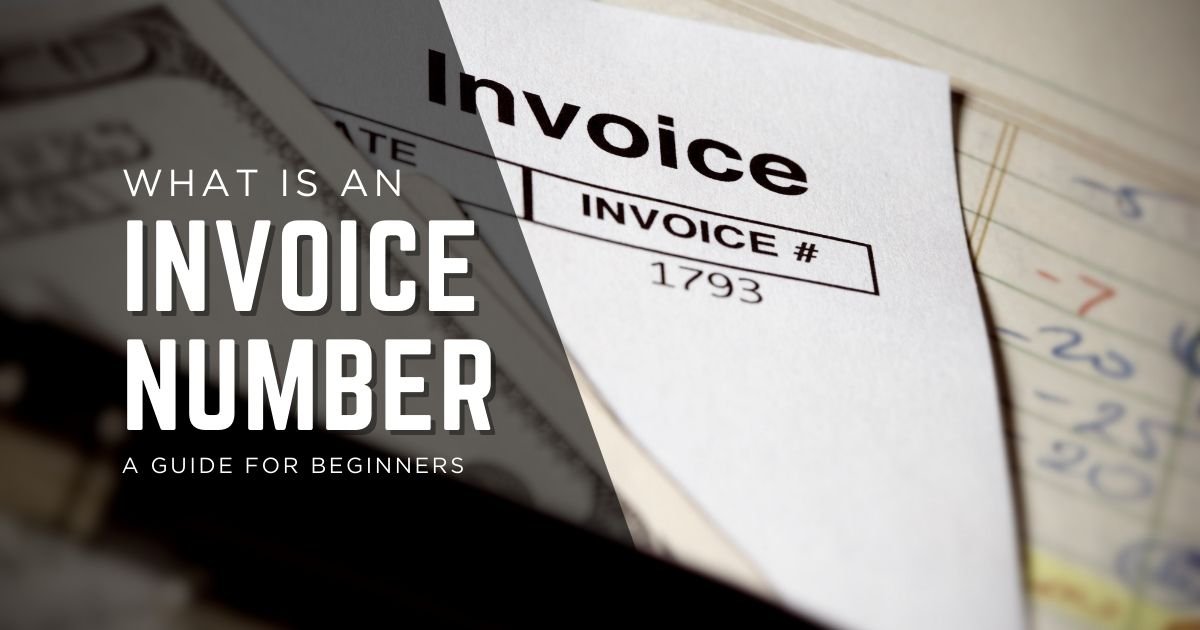
An invoice number is a unique code printed on every invoice. It separates one invoice from all others you issue. Each invoice must have its own number. Once used, that number must never repeat.
Invoice numbers help you find invoices fast. They connect customer payments to the correct bill. For example, a client pays late and asks for details. The invoice number points to the exact invoice.
Why Invoice Numbers Are Important?
- Invoice numbers keep your business records clean. They are a basic accounting requirement.
- They help you track payments easily. You can see which invoices are paid or pending.
- They help accountants close monthly books. We rely on invoice numbers during checks.
- They support tax filing and audits. Tax departments expect clear invoice numbering.
- They reduce payment disputes with clients. A clear reference avoids confusion.
- Invoice numbers bring order to billing.
Is an Invoice Number Mandatory?
In most countries, yes. Tax laws require invoice numbers. Tax officers expect invoices to follow a clear sequence. Duplicate or missing numbers raise audit questions.
Even if the law does not force it, invoice numbers are still required in practice. They protect your business records. Most invoicing tools create numbers automatically. This avoids manual mistakes.
Invoice Number Example Formats
Invoice numbers can follow many formats. There is no fixed global rule. Here are common invoice number examples:
- INV-001
- INV-2026-045
- 2026-INV-0007
- BILL-45821
- INV-JAN-1023
Freelancers often use simple numbers. Larger businesses add dates or codes. The key rule stays the same. Each number must be unique.
How to Create an Invoice Number
Creating invoice numbers needs a clear system. The system should stay simple. Most businesses use one of these methods.
- Sequential numbering: Start with INV-001 and move upward. This suits audits well.
- Date-based numbering: Add year or month. Example: INV-2026-001.
- Client-based numbering: Add a client name or code. Example: INV-ACME-015.
- Software-generated numbering: Software assigns numbers automatically. This suits growing businesses.
Choose one system and follow it every time. Consistency matters in accounting.
Invoice Number vs Order Number
Many freelancers confuse invoice numbers with order numbers. They are different.
An order number appears when a client places an order. It tracks the sale request. An invoice number appears when you ask for payment. It tracks the billing record.
Can one order create more than one invoice? Yes. Advance payments or split work can create multiple invoices. Order numbers track sales work. Invoice numbers track money.
Invoice Number vs Bill Number
Invoice number and bill number usually mean the same thing. The difference is in the common language.
Businesses issue invoices. Clients often call them bills. Both carry a unique number. That number tracks payment. In accounting records, both terms point to the same document. Uniqueness still applies.
Where Does the Invoice Number Appear?
The invoice number should be easy to see. Most businesses place it at the top. Common places include:
- Top right corner
- Near the invoice title
- Inside the header area
Clients and accountants look for it first. Clear placement saves time.
Best Practices for Invoice Numbering
Good invoice numbering follows simple rules. These rules prevent tax issues.
- Never reuse an invoice number: Canceled invoices still keep the number.
- Avoid missing numbers: Gaps create audit questions.
- Use a clear prefix: INV or BILL improves clarity.
- Keep the format simple: Complex codes cause errors.
- Use invoicing software: Automation reduces mistakes.
These habits keep books clean.
Common Invoice Number Mistakes
Many freelancers repeat the same mistakes. These mistakes create future trouble.
- Reusing invoice numbers mixes payment records. This causes confusion.
- Manual numbering without tracking leads to duplicates. Spreadsheets fail with growth.
- Skipping numbers creates audit risk. Tax officers ask for explanations.
- Using random formats breaks reports. One format fixes this issue.
How Invoice Numbers Help With Payments
- Invoice numbers speed up payment matching. They act as a shared reference.
- Clients mention the invoice number during payment. Banks and payment gateways rely on it.
- Multiple invoices get cleared faster with numbers. Allocation stays clean.
- Without invoice numbers, tracking becomes difficult. Errors increase with volume.
Invoice Numbers and Accounting Software
Modern invoicing tools manage numbering automatically. This helps freelancers and small teams. The software keeps numbers unique and in order. It links invoices to payment status.
Searching invoices becomes quick. Reports stay accurate. Freelancers save many hours each month. Manual methods do not scale well.
Do Invoice Numbers Need to Be Sequential?
In many regions, yes. Tax rules support sequence control. Sequential numbers show that invoices remain complete. They create a clean audit trail.
If a number is skipped, record the reason. Canceled invoices explain gaps. Always follow local tax rules. Compliance protects your income.
Can Two Businesses Have the Same Invoice Number?
Yes, this is normal. Invoice numbers need uniqueness only within your business. Another business can use INV-001. No issue exists. Your accounting system controls uniqueness. External duplication does not matter.
Final Thoughts
An invoice number is not just a number. It supports your entire billing system. It tracks payments, supports tax checks, and reduces disputes. It protects your business.
Use a clear format. Keep numbers unique and consistent. Understand invoice numbers, order numbers, and bill numbers. This avoids accounting errors.
Use invoicing software where possible. Automation saves time and reduces risk. Strong invoice numbering supports stable cash flow. Small habits create strong businesses.